
How to Get the Most Out of Your DNP Capstone Project Mentor

The capstone project is among the most fulfilling, rewarding, yet daunting aspects of pursuing a Doctor of Nursing Practice (DNP). Our team assists scholars with all phases of their capstone projects, including topic selection, proposal writing, data analysis, and final copywriting. Our professional nursing writers offer expert advice, capstone project writing and editing services to ensure our clients get the best grades and graduate successfully. Our targeted assistance helps scholars approach their capstone projects with confidence and develop final copies that meet the highest professional standards. This article contains a discussion of how to utilize the experience of a DNP capstone project mentor to ensure academic and professional success.
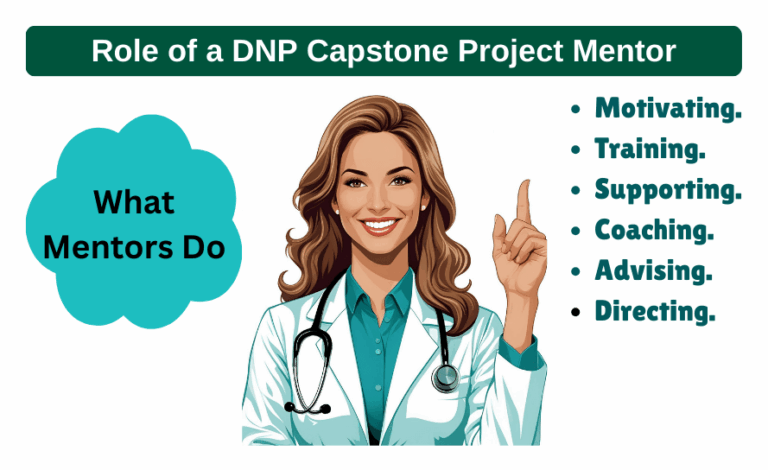
Understanding the Role of a DNP Capstone Project Mentor
A DNP capstone project mentor acts as a coach, guide, and subject matter expert all through the writing process. DNP capstone project mentors also serve as academic guides and consultants for project design, methodology, and implementation. By acknowledging the role of mentors, scholars can establish realistic expectations and develop working relationships that are beneficial to both academic projects and career perspectives in the future. The following are 14 considerations to aid in understanding the role of DNP capstone project mentors:
1. Establishing a Solid Foundation for How to Communicate with a Mentor
A productive mentor-mentee relationship requires open communication. The most favorable communication channels, such as emails, face-to-face, or scheduled calls, must be defined to guarantee prompt responses and feedback. Determining these parameters early enough ensures that both parties can perform effectively and avoid miscommunication that can lead to delays in the project. Also, scholars should be able to develop effective communication rules that help keep their projects on track and maintain a positive working environment.
2. Goal-Setting in Defining the Capstone Roadmap
Defined objectives and schedules help keep the capstone projects on track. Sharing expectations within each phase of the capstone ensures the mentor is aware of what one wishes to achieve and can provide relevant feedback. Subdividing the project into small milestones assists in controlling the workload and monitoring advancements. The systematic process encourages self-responsibility and allows scholars to move the project forward.
3. Preparation to Make Each Meeting Count
Well-prepared mentees can utilize their mentor sessions more productively. Reviewing past feedback, more recent progress notes, and formulating tailored questions or concerns before meetings ensures targeted discussions. Mentee preparation not only speeds up the process of solving a problem but also indicates that one values the knowledge and time investment of the mentor.
4. Feedback as a Developmental Tool
Constructive feedback is a crucial part of scholarly growth. A scholar must not perceive feedback as a negative experience but as an opportunity to add value to their project. Following up on action on recommendations demonstrates initiative and builds trust between the mentor and the learner. The gradual use of feedback reinforced over time would create a more competent scholarly voice and increase the overall credibility of the work. Proactively requesting feedback, even before break periods, may assist in identifying weaknesses and clarifying ideas earlier in development. Our team helps scholars address feedback or comments from professors to ensure they submit capstone projects that meet academic standards.
5. Enhancing Mentor Networking as Key to Expanding Opportunities
Mentors to consult with during DNP capstone projects typically possess extensive professional networks within the healthcare, academic, and research communities. Professional conversations and suggested events enable mentees to expand their networks and build collaborative opportunities after graduation. The networking can lead to collaborative research or professional growth. Also, networking opens doors to opportunities, accelerating professional growth and project exposure.
6. Optimizing Institutional and Scholarly Resources
Mentors guide scholars to valuable resources, such as academic databases, clinical guidelines, or methodological frameworks. Obtaining such resources early could save time and improve the quality of the literature review, evidence-based recommendations, and data analysis. The incorporation of academic databases, clinical guidelines, or methodological frameworks into the capstone enhances the final project copy and makes it more credible. In case you need help writing a quality literature review, reach out to our expert writers today. We have access to all nursing articles databases, helping us to deliver the best evidence-based papers on time.
7. Professionalism and Accountability in the Mentorship Process
Scholars must view the mentor relationship as a professional relationship. Being accountable means honoring deadlines, doing as agreed, and promptly reporting on delays or challenges. Mentor-mentee professionalism reflects the norms of a clinical and academic environment and trains scholars to be effective leaders in the future. A mentor who continuously displays these qualities enhances trust and fosters a fruitful and respectful working relationship We assist scholars in addressing feedback on time to ensure they meet their deadlines.
8. Documenting Capstone Experience to Keep Track
One should keep a detailed record of the meetings, the contributions, and the changes that occur later in the project, as this helps avoid confusion. Documentation is also a source of guidance in final project reporting and defense preparation. Mentees help follow up and summarize progress, and this is useful as the discussions move forward quickly. Scholars can also reuse the documentation for future research projects or professional presentations.
9. Utilization of Mentor Expertise in Research Methodology
Data analysis and methodology are the most technical parts of the capstone. Supervisors can provide information about the strengths and weaknesses of various research designs, data collection instruments, and analysis methods. Scholars can evade methodological flaws that undermine the capstone results by discussing data analysis and methodology sections with their mentors. For those in need of methodology and data analysis help, our professionals are available 24/7 and have over a decade of experience analyzing data for capstone projects successfully.
10. Mentors’ Guidance in Balancing DNP Capstone Process Independence and Initiative
Even though mentors guide scholars, the project’s success is the client’s responsibility. A balance between help-seeking and independent decision-making builds academic maturity. Being a leader, taking initiative, and accepting guidance establishes credibility as a prospective nurse leader. Taking responsibility for the decisions also builds confidence and prepares the scholars to make independent decisions, which is critical in advanced nursing practice.
11. Proactive Problem-Solving with a Mentor
The typical issues in capstone projects are lag in data collection, resource limitations, or a change in scope. The early discussion of possible problems with the mentor can help to make timely changes and find creative solutions. Active solutions can transform challenges into innovative opportunities. Our team is a valuable resource for predicting various project challenges and setting contingency plans to ensure project progress.
12. Enhancing the Project through Evidence-Based Practice
Mentors assist scholars with ensuring that their capstone projects comply with the latest evidence-based practice standards. Mentors assist in overseeing the literature research strategies, identifying relevant clinical guidelines, and offering the scholars the recommended interventions based on valid evidence. The inclusion of the feedback enhances the project’s scholarly input. Incorporating high-quality evidence enhances the effectiveness of the project and makes it relevant to practice in real-life clinical environments.
13. Final DNP Capstone Defense Preparation
The mentor is instrumental in training the scholar towards the final presentation and defense. Scholars can comment on presentation slides, anticipate questions that might arise, and recommend ideas for addressing challenging queries. Preparing the scholar for the final DNP capstone defense helps them develop confidence and ensures a professional, smooth presentation. Training with the mentor and outside reviewers can also enhance the DNP capstone presentation process and preparation. At our nursing papers writing company, we help researchers develop visually appealing and well-structured PowerPoint presentations for successful capstone defenses.
14. Mentorship Experience Reflection
By the end of the capstone, reflecting on the mentorship experience can aid in identifying takeaways that were not project-specific. Showing appreciation to the preceptor by sending formal thank-you letters, including their name on the final paper, or providing professional referrals preserves a positive professional relationship. These networks can even be helpful to the graduates after they complete their projects. The reflection can inform future partnerships and approaches toward mentoring others in the fields.
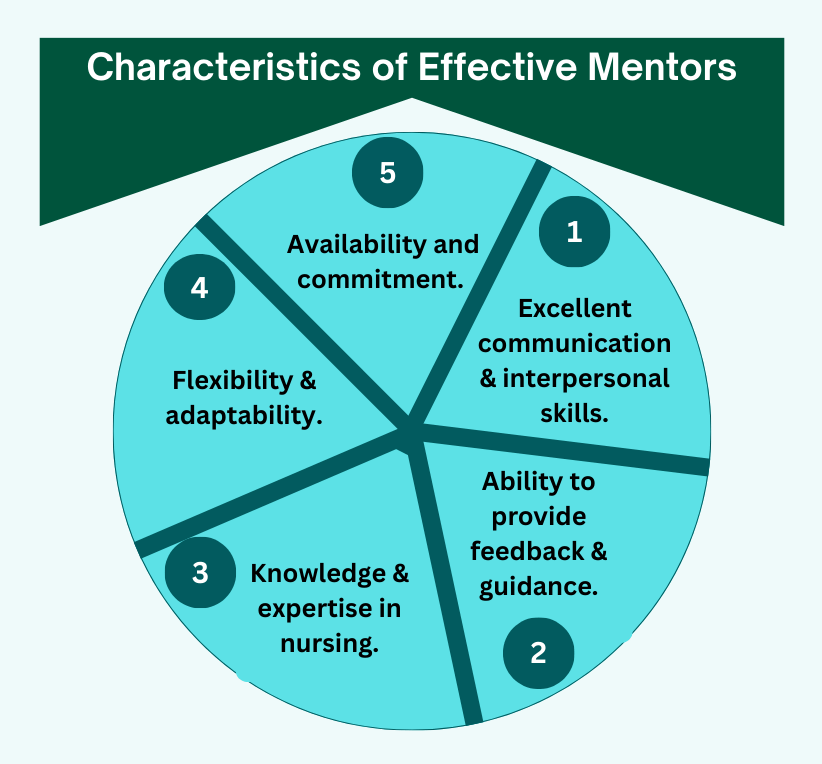
Summary
A DNP capstone project mentor is a valuable asset to guide scholars through one of the most crucial phases in their academic life. Scholars can make the most of mentorship by ensuring clear communication, defining objectives, avoiding preparation before meetings, and appreciating feedback. Utilizing the mentor’s expertise enhances not only the quality of the capstone but also equips graduates to be leaders in nursing practice, education, and research. An effective mentor-mentee relationship is not merely a matter of completing a project but also developing the skills, networks, and professional confidence that underpin a life-long contribution to the nursing profession. Our professionals have expertise in evidence-based practice writing to help scholars develop DNP capstone projects that meet the highest scholarly standards. Take the initiative today, engage actively with our team and submit a project that defines achievement in your nursing career. Get in touch with us via our live chat or by contacting us today. We are available around the clock to respond to all your inquiries promptly.