
Common Mistakes That Make DNP Proposals Be Rejected
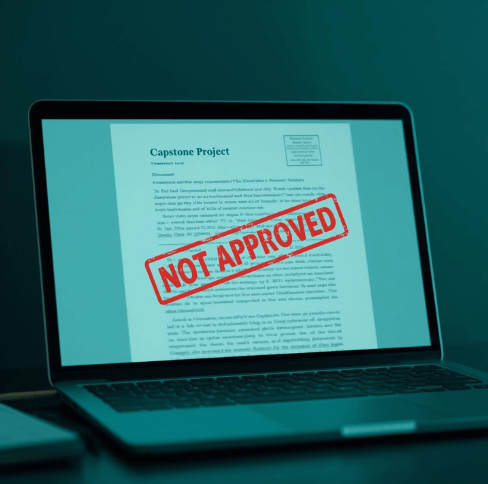
A well-structured DNP proposal serves as a road map for the DNP project and a justification of why a student’s study is feasible and significant to advanced nursing practice. While the DNP proposal is a foundation for research, scholars can make errors that can lead to rejection, multiple revisions, delays, and a waste of time. To avert common mistakes that can cause the DNP proposal to be rejected, students can hire an expert from our company to write the DNP proposal to increase their chances of approval by their institution’s doctoral committee.
Our DNP project proposal services are designed to provide affordable and high-quality help to ensure the successful completion of the scholarly project and earn a DNP degree. Our skilled and experienced nursing writers develop original and error-free proposals to ensure that clients are not penalized for submitting substandard documents. We compose outstanding proposals for the DNP project that align with institutional requirements and are up to doctoral-level standards. This article highlights mistakes that DNP students make that cause disapproval of their proposals, some of which include a poorly developed literature review, failure to follow research ethics, an unclear time frame, and flaws in methodology.
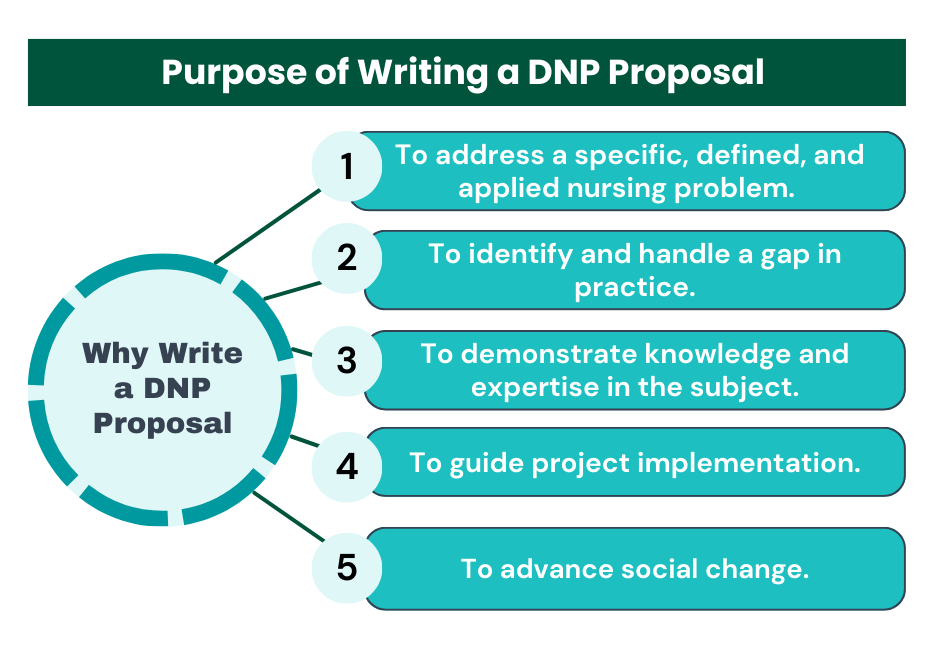
What is a DNP Project Proposal?
A DNP project proposal is a scholarly document that contains the essential details that will guide the development of the scholarly project. The DNP project proposal is typically used to (a) Propose what is to be done so readers can understand, (b) identify important and related literature, (c) provide key information about the proposed project in written and scholarly format, and (d) serve as a type of contract by outlining clear expectations for meeting the DNP program’s project requirements. By composing a well-structured DNP project proposal, scholars can justify their study, demonstrate the feasibility of their project, and show evidence of the chain of reasoning. A DNP project proposal typically consists of:
- A title page
- Introduction
- Literature review
- Methodology
- Project implementation
- Evaluation plan
- Budget and financial considerations
- Sustainability plan.
- References
Common Mistakes That Make DNP Proposals Be Rejected
1. Poorly Developed Literature Review
The literature review is a comprehensive summary and analysis of published literature related to the clinical problem under research. A poorly formulated literature review compromises the credibility of the proposed DNP project, thereby leading to rejection. A flawed literature review of the DNP project proposal can be caused by factors such as (a) use of low-quality sources, (b) lack of current literature, (c) no critical evaluation, integration, or synthesis, (d) bad layout, (e) plagiarized content, and (f) lack of enough sources to support the clinical problem. Scholars should develop an exceptional literature review for the DNP proposal to demonstrate expertise in the subject matter through a comprehensive analysis of existing literature. The DNP project proposal literature review should consist of:
- The literature search procedure.
- Search terms used and inclusion or exclusion criteria.
- Summary of the level and quality of evidence for the sources used.
- Main themes that emerged from the literature review.
- Conclusion about the current state of evidence related to the clinical problem and proposed
2. Unclear Time Frame
The timeline is a chronological order of events that the DNP scholar plans to conduct in the project. A DNP project proposal that does not demonstrate the timing of project activities may be considered incomplete, thereby leading to rejection. Additionally, the absence of a clear implementation plan undermines the credibility of the proposed DNP project. An unclear time frame in the DNP project proposal can be caused by poor planning, underestimating the time required to complete the project tasks, unfamiliarity with DNP project requirements, or overambition. When setting the timeline to conduct the DNP project, the student should carefully consider the scope of the project and develop a realistic time frame to ensure that the project is achievable with the available resources.
3. Flawed Methodology
The methodology is used to describe the techniques and procedures that will be utilized to collect and analyze data in the proposed DNP project. Selecting an impractical methodology or failure to justify the selected techniques can raise doubts about the validity and reliability of the DNP project. A flawed methodology in the DNP capstone often stems from limited knowledge of research designs, data collection and analysis techniques, and misalignment with study objectives. A poorly developed methodology can make the DNP project seem flawed and lead to rejection of the proposal. An excellent methodology should present the research design, data collection instruments, sampling procedures, data analysis methods, and ethical considerations related to the proposed DNP project.
4. Not Following Research Ethics
Ethical guidelines are a set of principles that are used to ensure responsible conduct by establishing standards of protecting individuals’ rights and minimizing harm for DNP projects involving human subjects. A DNP proposal that lacks important research ethical aspects such as voluntary participation, informed consent, confidentiality, potential for harm, and anonymity is at risk of disapproval. Failure to follow ethical guidelines can be caused by (a) not submitting the proposal to the Institutional Review Board (IRB) for review, (b) a lack of knowledge of ethical guidelines in human subject research, and (c) not obtaining informed consent. The DNP project proposal must demonstrate how ethical standards will be maintained throughout the DNP project and ensure the protection of the respondent’s rights and well-being.
5. Lack of Significance to Nursing Practice
A DNP project topic should prepare scholars to utilize the highest levels of knowledge to influence positive healthcare outcomes through clinical expertise and implement patient-centered care. Failure to demonstrate how the proposed project will contribute to better patient-centered care or an improvement of health care delivery systems can also invalidate the proposal, leading to rejection. To compose exceptional proposals that contribute to nursing practice, scholars should analyze clinical data, evaluate standards of practice, or get constructive feedback from patients to identify areas that, when implemented, can contribute to patient care.
6. Incomprehensible Writing
Incomprehensible writing of a DNP proposal is caused by grammatical and spelling errors, incoherence, missing important information, excess jargon, poor sentence structure, and ambiguous terms. Incomprehensible writing in a DNP project proposal can make the document look unprofessional and not up to doctoral-level standards, thereby leading to rejection or multiple revisions. When writing the DNP project proposal, scholars should ensure that their document has well-structured paragraphs, formal language, proper punctuation, and accurate terminology.
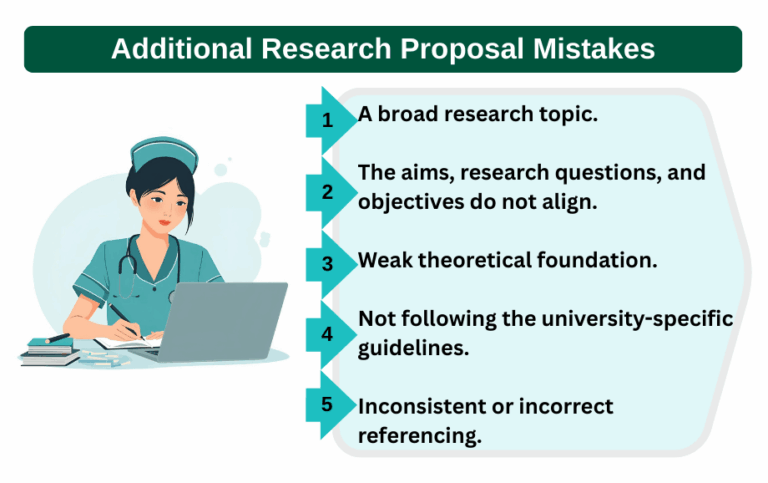
Other mistakes scholars make when writing their DNP proposals are not following institutional guidelines, failure to edit and proofread, unclear clinical questions, and improper formatting, among others. In case you are a DNP student looking to get help with writing a proposal, you can order our DNP proposal writing services. At our academic writing firm, we also provide rewriting, paraphrasing, editing, and proofreading services to help scholars transform their substandard DNP proposal papers into high-quality documents. Our DNP editing and proofreading services are designed to help clients replace vague vocabulary terms, rephrase awkward sentences, correct formatting issues, identify errors, and logically organize ideas.
Summary
Many mistakes can occur when composing the DNP project proposal that can cause rejection and failure. Major contributing factors of DNP proposal rejection include, but are not limited to, a topic not significant to advanced nursing practice, a poorly formulated literature review, an unclear time frame, misalignment with institutional requirements, and a flawed methodology. With the years spent conducting research and writing the DNP proposal, the last thing students expect is disapproval by their institution’s doctoral committee members. If you are a DNP student looking for someone to compose an exceptional and submission-ready proposal that aligns with your institutional specifications, you are in the right place. Our DNP proposal writing service providers are available around the clock to write your proposal successfully. Our commitment stems from our desire to give clients high-quality services and value for their money. Contact us today for the best DNP proposal writing services globally.