
Tips for Writing a Policy Development DNP Project

DNP students can analyze legislative reports, regulatory guidelines, and policy documents to understand the healthcare landscape and develop effective policies to improve healthcare delivery. With their extensive knowledge and skills, DNP students are informed and prepared to develop a healthcare policy that aims to contribute to effective, timely, patient-centered, and equitable care. Might you be a scholar pursuing a DNP and looking for help with writing the policy development DNP project? Then look no more, we are a well-known company in providing nursing papers writing services globally for over a decade. Our reputation as the leading DNP project writing company is built on our commitment to delivering high-quality papers and giving value to our clients’ money.
Our nursing professionals excel in writing policy development DNP projects, facilitating clients’ academic success by delivering high-quality and evidence-based papers that are tailored to real-world clinical practices. In this article, we have highlighted some useful tips that advanced practice nursing students can apply when composing their policy development DNP projects, such as utilizing a multidisciplinary team, defining terms, following institutional templates, and using evidence-based sources.
What is a Policy Development DNP Project?
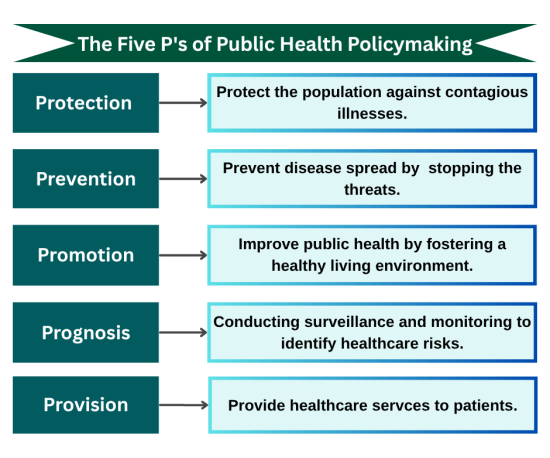
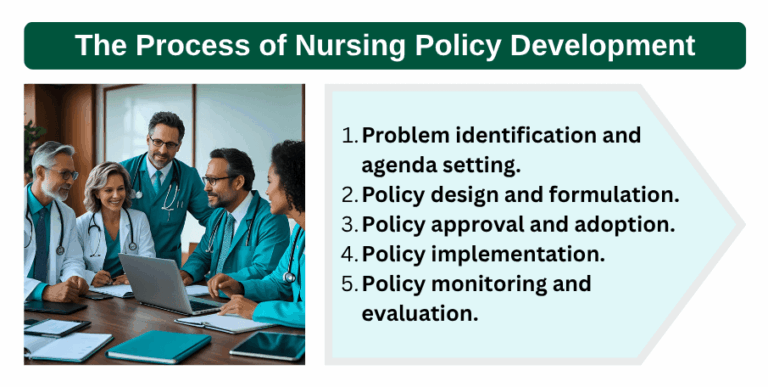
A policy development DNP project is a scholarly practice-focused work that involves formulating guidelines and strategies that address the healthcare needs of patients, families, and communities locally and internationally. Health policy is usually based on investigated evidence, so nursing scholars conducting a policy development DNP project should have a critical understanding of research and policy to enable them to participate in policy making. The policy development DNP project procedure involves identifying a practice problem, formulating a policy solution, and assessing the policy’s impact on patient and healthcare outcomes. With policy development projects, DNP students can establish effective guidelines that benefit patients, medical organizations, and healthcare systems.
Useful Tips for Writing a Successful Policy Development DNP Project
1. Define the Clinical Problem that Requires a Policy
Defining the clinical problem that needs a policy involves the translation of a research problem into an answerable clinical question using the format. The PICOT format can be used to clearly define the clinical problem being addressed, who it affects, what is being compared, and the expected outcomes, therefore guiding the literature review and enabling the DNP student to locate strong evidence to support a new policy. Scholars conducting a policy development DNP project can also apply the PICOT retrospectively to evaluate an existing policy and determine whether it addresses a clinical problem in the right way. Accurately defining the area of inquiry is essential to providing direction to other steps of the policy development DNP process, which include critically evaluating literature, stating the policy objectives, and demonstrating the rationale of the study.
2. Utilize a Multidisciplinary Team for Developing Policies
Advanced practice nurses usually collaborate with patients, community organizations, individuals in health facilities, and the local government to successfully develop and implement health policies. To form a multidisciplinary team for the policy development DNP project, identify a group of individuals who are directly impacted by the policy and have expertise in the clinical problem under research. The DNP scholar should apply a workgroup approach for developing content, providing updates, conducting revisions, categorizing policies, and archiving outdated policies. By integrating diverse viewpoints and expertise, DNP students are able to develop effective, realistic, and sustainable policies that contribute to better patient care.
3. Utilize Evidence-Based Resources
The utilization of relevant and high-quality research evidence in the policy development process in advanced nursing practice is a key strategy for enhancing health systems. To apply evidence-based sources in the policy development DNP project, conduct a comprehensive literature search using credible and peer-reviewed databases such as CINAHL, PubMed, MEDLINE, and PsycINFO.
Use studies with high levels of evidence, such as systematic reviews, meta-analyses, and Randomized Controlled Trials (RCTs) that are related to the clinical problem under research. When writing the policy development DNP project, the scholar should cite the sources using the institution-specified writing style to ensure credibility, prevent plagiarism, and demonstrate the basis of formulating the health policy. Applying and demonstrating the evidence-based sources used in the policy development DNP project improves the health policy process by identifying new issues for the policy, informing decisions about policy direction, and assessing the impact of a policy.
4. Define all the Terms Used in the Policy
In the policy development DNP project, it is useful to include definitions utilized throughout the text at the beginning of the document. If terms are not defined, some phrases may be misread or face scrutiny, thereby undermining the credibility of the policy development DNP project. To define the words used in the policy, compile a list and arrange the terms in alphabetical order with a concise and precise explanation without nursing jargon.
The DNP scholar should also explain any abbreviations or local organizational words used in the policy development project. By using defined terms at the beginning of the policy development project, DNP students can eliminate the need to rewrite the same text repeatedly and capture large concepts in short phrases. Defining terms used in the policy development DNP project helps the student avoid misinterpretation, for easy understanding of the proposed policies.
5. Use Common and Easy-to-Understand Language
Nursing involves a lot of jargon, technical language, and acronyms, and while medical professionals may understand these phrases, other readers may not, so the policies should be comprehensible to everyone. When writing the policies in the policy development DNP project, make the language easy to comprehend to ensure that the results are accessible when communicating with a diverse audience, including patients and other healthcare professionals. To ensure that the policy development DNP project applies understandable language, the nursing scholar can ask non-medical personnel to read and evaluate their document and provide feedback.
6. Refrain from Using Superlative Words
Superlative words are terms that show the highest or most extreme degree of something, such as highest, best, safest, assure, and ensure. The presence of superlative adjectives in the policy development DNP project demonstrates a full guarantee of the proposed outcome. The DNP student should replace vague and absolute phrases with measurable language, for example, should or may based on their clinical objectives.
7. Evaluate Policies for Implementation
Policy evaluation before implementation is an integral step of the policy development process that involves assessing whether a particular policy fulfills its intended impact when applied. When conducting an evaluation of policies, the DNP student conducting the policy development project can utilize the Plan, Do, Study, and Act model to test and refine health policy changes before extensive implementation. Assessing the policies enables DNP scholars to refine their policies and make adjustments before full implementation, and increases the credibility and transparency of the policy development DNP project.
8. Align with Institutional Guidelines
The methods of writing the policy development DNP project vary across different universities despite a shared alignment with the American Association of Colleges of Nursing (AACN) essentials. When writing the policy development project, the scholar should read and evaluate their nursing program’s template and handbook or consult with their project mentors to understand key requirements. By following specified guidelines and instructions, DNP scholars conducting a policy development nursing project ensure that the study is relevant, feasible for implementation, and aligns with the established standards.
Summary
A policy development DNP project involves creating guidelines and strategies that are used to address the medical needs of patients, families, and communities. An exceptional policy for advanced nursing practice should have a clear purpose, aid in the process of decision-making by providing a framework for making choices, and align with the institutional objectives. In case you are a DNP student looking for professional help with writing a policy development DNP project, order our services today and enjoy an exceptional nursing paper with timely delivery. We are available 24/7 to ensure our clients are served on time. We also pride ourselves on having the most qualified DNP project writers with doctorate-level education and over a decade of experience. Contact us for the best DNP project writers online today.